
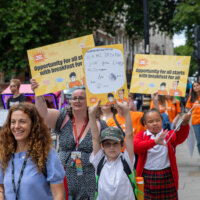


More Than Breakfast
With secondary school breakfast provision uncertain beyond 2026, our More Than Breakfast campaign is working to give young people the best start to their day, and to the rest of their lives.
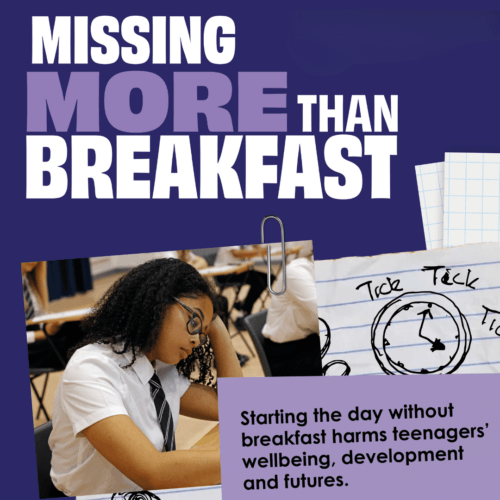
Too many young people in the UK are starting the day without breakfast. Some live with food inequality or instability at home. some struggle with anxiety around eating and body image. Others simply find the time for breakfast flying past, a blur of finishing homework or looking after younger siblings.
Then they’re expected to show up at school and switch on. To engage, absorb, and achieve. To make decisions they’re told will affect their whole lives. All while running on empty.
Our latest research on the impact of secondary school breakfast shows that skipping breakfast holds young people back. At a key moment in their lives, it can harm their health and wellbeing, prevent them from achieving in the classroom and beyond, and make it harder to feel like they belong.
This is a critical moment to act
While the Government starts its roll out of breakfast provision in primary schools in England, secondary pupils risk being left behind. Our research shows teenagers are the most likely to skip breakfast at a stage when it matters most for their health, wellbeing and future outcomes.
With current support for secondary schools uncertain beyond 2026, there’s a real risk the gap will widen. This campaign is about making sure it doesn’t, so that the benefits of school breakfast don’t stop at age 11 for children and young people.
At a crucial moment in their lives, skipping breakfast can undermine young people’s health and wellbeing, make it harder to engage in school, and affect their future opportunities.
It doesn’t have to be this way.
The power of school breakfast
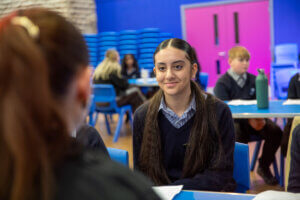
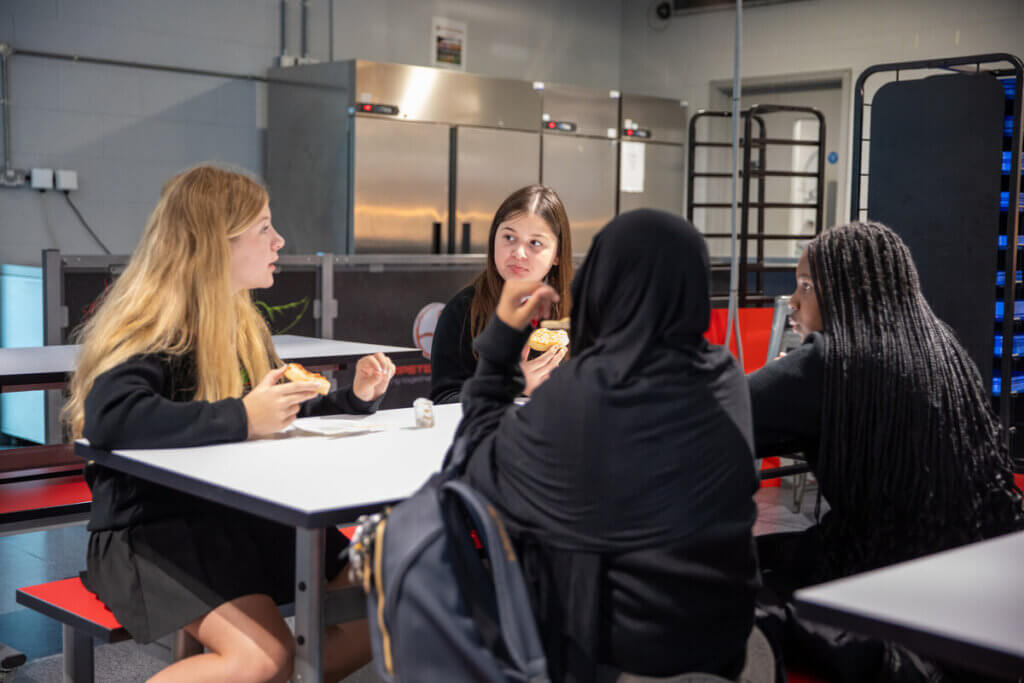
When schools offer breakfast, it gives teenagers a safe space to be with people they know and get something nourishing to eat before the day begins.
This can make all the difference.
Young people who have breakfast are healthier and happier. They build stronger relationships and get better academic results. So when they go out into the world, it’s with confidence and curiosity.
It’s not just about the food.”
– Young person, age 16
A better future
This isn’t just about tea and toast.
It’s about giving all young people everything they need to learn and thrive. To have the best start to their day, and the rest of their lives.
And then we all benefit. From the person they go on to become, to everything they achieve and give back to their community.
Join our campaign to give teenagers the best possible start to their day, and the rest of their lives.
Campaign news
-
 News
NewsThe Children’s Wellbeing and Schools Act
-
 News
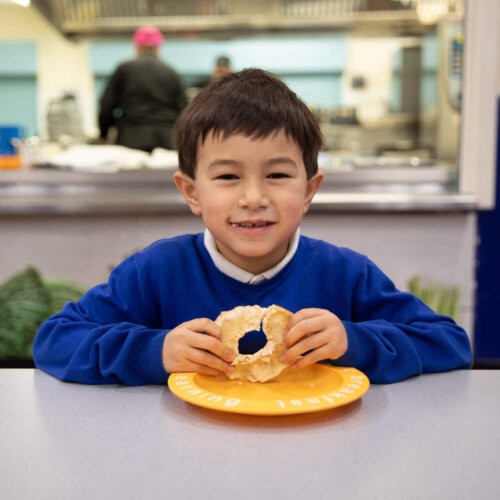
NewsYour questions answered: Is the government funding school breakfast now?
-
 Campaigns
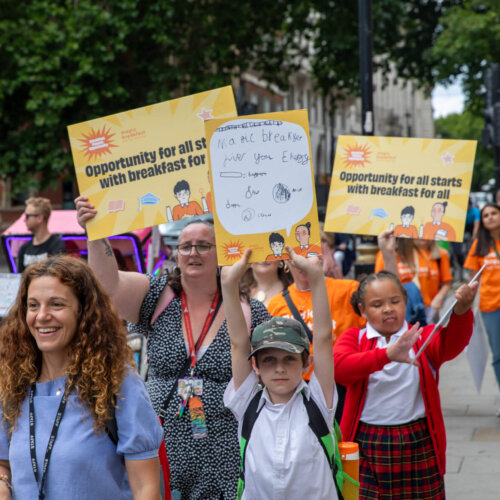
From the classroom to No.10, children and young people demand breakfast for all