

Scotland’s legally binding poverty targets set a date for relative child poverty to be lower than 10% by 2030.
These targets, introduced in 2017 with cross party support, are bolstered by regular tackling child poverty delivery plans. Last week, the Scottish Government published the 2026-2031 plan – the last plan before the 2030 target date. The plan has been separated into four target areas to help reduce child poverty: increasing earned incomes, reducing costs of living, maximising incomes from social security and benefits in kind, and supporting children and families to thrive.
A plan for breakfast
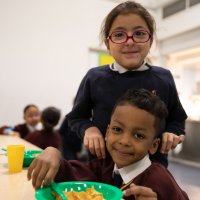
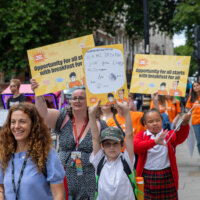
At Magic Breakfast, we’re delighted that this is the first plan which commits to the Scottish Government’s long-term promise on school breakfasts. From next August, all primary and special school pupils will be able to access a nutritious breakfast. The Scottish Government estimates this will support over 125,000 children and young people. This builds on the success of Bright Start Breakfasts, a Scottish Government initiative that Magic Breakfast are proud to be helping deliver. Magic Breakfast are partnering with schools across Scotland to deliver funded places in school breakfast provisions.
The Scottish Government understand that school breakfasts are about more than just food, rather they create environments where children and young people are nourished, empowered, and thriving. In their plan, the Scottish Government outlines how school breakfast will support better health outcomes for children whilst enabling work opportunities for parents, maximising earned income to help tackle household poverty.
Poverty rates are stubbornly high
But if Scotland is to meet the legally binding targets set by the Parliament, more action is needed. Child poverty remains above 20%, more than double the target rate, and the Scottish Government didn’t meet the interim target of 18% by last year. New figures later this month will show how the picture is changing, but we know that the Scottish Government’s priority families (the key groups where child poverty is the highest) are even more affected than the wider population. In particular, the Joseph Rowntree Foundation found that children in two or more of the priority family categories have a poverty rate of almost double the national average.
What is poverty?
Our Impact and Innovation team take a look at three key concepts.
More action needs to be taken
This new plan comes right at the end of the current session of the Scottish Parliament, with just over a week until MSPs end their time at Holyrood ahead of May’s election. This Parliament is not the one which will make this plan happen.
The new Parliament elected in May needs to see this plan as a starting point. Magic Breakfast agrees with colleagues in the sector, including fellow members of the Poverty Alliance, who noted the need for this plan to be further developed if it’s going to have real impact.
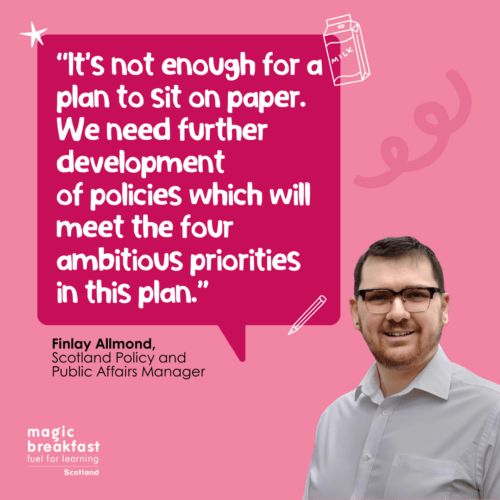
It’s not enough for a plan to sit on paper, this final plan ahead of the 2030 targets needs to be a starting point for politicians. We need further development of policies which will meet the four ambitious priorities in this plan: increasing earned incomes, reducing costs of living, maximising incomes from social security and benefits in kind, and supporting children and families to thrive.
Our part to play
For months, Magic Breakfast has been preparing for the next Scottish Parliament. We’ve been working with parties across the political spectrum, building costed policy proposals to expand school breakfast provision for every young Scot informed by the evidence and lived experience of our partner schools.
In the coming weeks we’ll see parties launch their manifestos ahead of May’s vote and then we’ll get to work from there offering new and returning MSP’s evidence-based insights about the importance of breakfast provision in boosting cross-cutting outcomes for children and young people. We need to see the commitment to primary and special schools from next August come to fruition and be delivered at pace.
We’ll also continue to support action from sector colleagues to promote policies that will allow Scotland to meet the legally binding child poverty targets by 2030.
Related content

Fuel their learning, their exam success, and their future potential
How a nutritious breakfast supports learning Thousands of students up and down the country will… Read more
![[He] didn’t know how to butter a bagel six months ago, now he's making bagels for the whole class.](https://www.magicbreakfast.com/wp-content/uploads/RS3276_DSC03425-e1760108621955-500x500.jpg)
Your questions answered: Why should schools provide breakfast instead of parents?
On the surface, breakfast might seem like the cheapest meal of the day. Unfortunately, for… Read more