



9 March 2026
Root causes of child morning hunger
Written by Magic Breakfast
Child morning hunger doesn’t happen by accident.
It is shaped by the systems, structures, and conditions in our society. These include economic pressures, policy decisions, institutional barriers, and social inequalities that make it harder for some families to consistently access food at the start of the day.
It’s easy to focus on the visible signs of morning hunger, like children feeling tired, struggling to concentrate, or starting school without the energy they need to thrive. But these are symptoms, not the source. Root causes are the underlying conditions that create and sustain morning hunger. Addressing them is how we create lasting change, improving children’s lives far beyond the breakfast table. We want to help break the link between these deeper causes and the hunger children face each morning, not just meet the immediate need
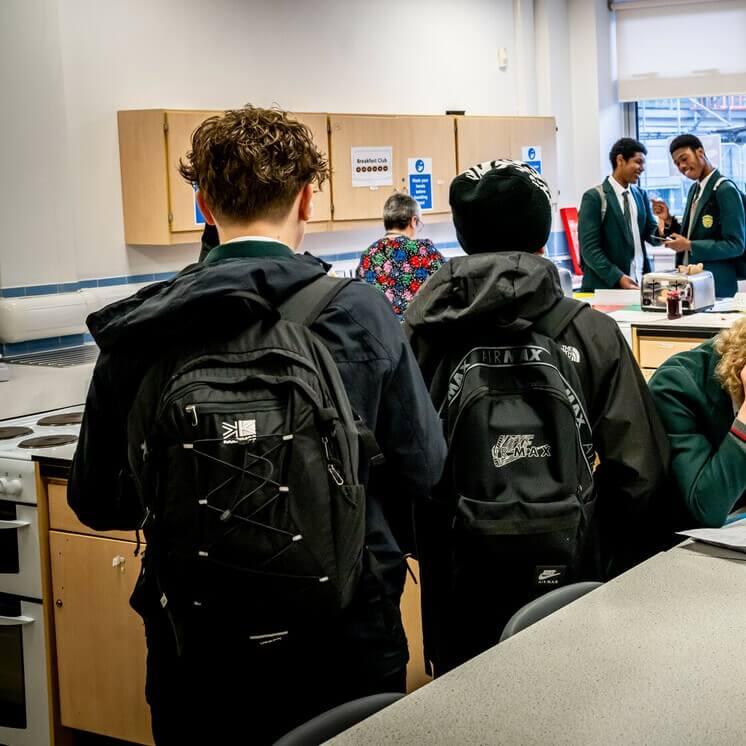
Sometimes we don’t have much at home until Mum gets paid. I don’t like asking. It’s easier to just wait until lunchtime.”
Secondary student, Greater London
The root causes of child morning hunger
What’s happening?
Child morning hunger is deeply rooted in national systems, from the economy to public policy. These large-scale forces shape whether families can reliably afford and access food.
Many families face poverty and economic insecurity as the cost of living outpaces income. Rising energy bills, housing costs, and food prices (particularly for healthy options) place sustained pressure on household budgets. Insecure work, low wages, and limited financial protections such as sick pay or parental pay can make income unpredictable, while low savings leave families with little buffer when costs rise.
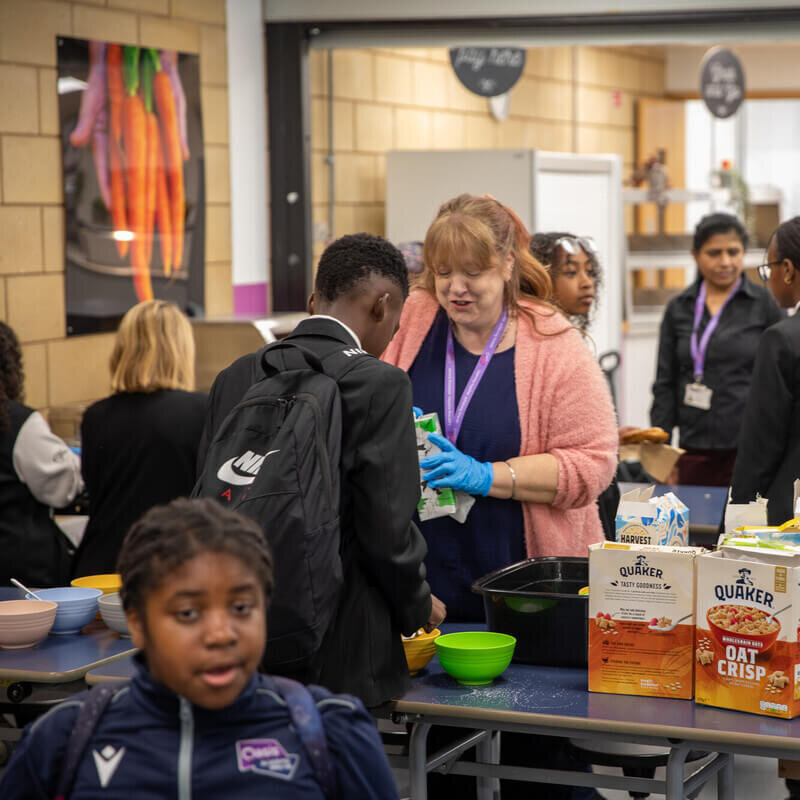
“Increasing numbers of families, particularly those with two working adults, who are now being severely impacted by fuel and food poverty.”
– Magic Breakfast SEND partner school, Greater London
Housing policy and affordability plays a major role in food access. High rents, limited social housing supply, and growing demand mean families often spend a disproportionate share of income on housing. For some families, living in temporary accommodation can also make food storage and preparation difficult.
Though a critical safety net, there are gaps in the social security system. Benefit caps, sanctions, and historically low uprating can limit household income. Thresholds for support such as free school meals may exclude families in need, while access to wider schemes such as Healthy Start can be restricted.
Childcare is often essential for working families, but it comes at a price. Childcare cost and policy, including high fees, capped payments, and reimbursements paid in arrears, can create short-term cashflow crises that affect food spending.
Even where food provision exists, regulatory and governance structures don’t always ensure quality or consistency. School Food Standards, for example, are not always uniformly implemented or enforced.
Nutrition plays a vital role in learning and wellbeing, yet there is a lack of nutritional expertise in education as it is rarely embedded in teacher training. Without this foundation, opportunities to promote healthy eating can be missed.
What can we do to change it?
We need to change both policy and attitudes. Child wellbeing should not rest on families alone. Government, employers, and civil society must share responsibility and work together to support children and young people.
What’s happening?
Between national systems and individual households sit the institutions and environments children engage with every day, such as schools, programmes, and local communities.
Mornings can be complex and pressured. Logistical barriers like transport challenges, long travel distances, and late arrivals all reduce the likelihood that children can access breakfast provision.
Institutional and cultural barriers also play a role in child morning hunger. In secondary schools particularly, stigma can be a powerful deterrent. Fear of being judged, concerns about image, or perceptions of breakfast provision as “charity” can stop young people from taking part.

“There are terrible anxieties around the stigma attached to not being able to provide breakfast for your child… Sometimes this is not just around poverty, but around organisation or SEND needs within the family.”
– Magic Breakfast partner school
Delivering breakfast provision requires staffing, space, and sufficient funding. Programme funding and design affect this. Where core funding is limited, for instance, programmes can struggle to operate at scale or consistency.
Provision design, accessibility and how it is delivered matters. Location, timing, and format can all affect uptake, particularly for older pupils balancing independence, travel, and social pressures.
Children’s food choices are shaped by the community food environment, including factors like what’s available locally. In some areas, limited access to healthy food and a high concentration of low-cost, less nutritious options make healthy breakfasts harder to secure.
What can we do to change it?
We need to remove the practical and cultural barriers that stop school food programmes from working well. This means investing in school staff, kitchen facilities, and transport, and replacing the current patchwork system with a strong, coordinated approach that gives all children and young people fair and lasting access to good school food.
What’s happening?
At the most immediate level are the personal, household, and health factors that shape a child’s morning experience.
Challenging home environments and welfare can disrupt morning routines and access to food. Experiences such as domestic violence, addiction, neglect, or caring responsibilities can make breakfast a lower priority or practically difficult.
Appetite, routines, and eating environments can also be affected by health, wellbeing, SEND/ASN, dietary requirements or nutritional specificity. Neurodiversity, sensory sensitivities, sleep pattern differences, allergies, and dietary restrictions may also shape how, and whether, children eat in the morning, particularly where breakfast provision lacks flexibility.

“Pupils are more anxious, distracted, or emotionally dysregulated. In many cases, this is linked to stress within the home, such as overcrowding, parental mental health issues, or financial pressure.”
– Magic Breakfast PRU partner school, West Midlands
Attitudes, beliefs, behaviours and habits around breakfast matter. Some young people skip breakfast due to body image pressures, peer influence, or a simple reluctance to wake early, particularly during adolescence.
Food insecurity doesn’t just affect availability, there are psycho-social consequences of poverty. Anxiety and stress linked to poverty can suppress appetite, cause nausea, or create emotional barriers to eating.
What can we do to change it?
We must put lived experience at the heart of our work. Solutions should be designed with the children, young people, families, and communities they are meant to support. By listening to and learning from them, we can create stigma-free approaches that recognise and respond to the social and emotional challenges.
The role of Magic Breakfast
We work to ensure every child and young person starts the day nourished, confident, and ready to learn.
Children and young people’s lived experience shapes everything we do, and it goes beyond breakfast. We advocate for universal access to school food and for policies that treat it as an essential investment in children’s futures.
By combining direct support with system-wide change, we are not only feeding children and young people today, we are working to fix the root causes of morning hunger for good.
Real change takes all of us
Ending child morning hunger requires action at every level. Join our community to stay informed, amplify the call for universal school breakfast, and help build the momentum needed to tackle the root causes.